Case study
Global Pivot Equity: from a three-person deal team to one adviser
With Closva, one adviser takes a sell-side mandate from kick-off to investment-ready material in a few weeks. Done the traditional way, the same work takes a three-person deal team around two months.
ClosvaPublished ·
- 3 → 1
- people on the preparation: one adviser instead of a three-person deal team
- Weeks
- from kick-off to investment-ready material, instead of around two months
- 1,500
- pages across 250 files, organised and linked to their sources in one workspace
- < USD 5m
- deals that usually go without an adviser, now within reach
Modelled on a typical sell-side mandate in GPE’s advisory practice: 250 files, about 1,500 pages, 40 buyer questions and six people.
Global Pivot Equity (GPE) is a cross-border M&A and capital markets advisory firm working across Europe and Asia. It advises on company sales and acquisitions, connects businesses with investors and supports transactions through to execution. For GPE, Closva is how professional M&A preparation reaches companies that today get little or no attention from investment bankers.
An underserved segment
Many sell-side and capital raise transactions below USD 5 million run without a financial adviser. The owners cannot afford a traditional advisory fee, and most advisory firms consider the deals too small to take on. In practice, these companies are unbanked.
The need for advice does not shrink with the deal. Complex sell-side processes, and transactions larger than AI alone can handle, still need an experienced adviser close to the client. What stands in the way is the cost of delivering that advice with a traditional deal team.
Preparation is where the time goes
An organised transaction starts long before a buyer enters a data room. The adviser has to understand the material, find the gaps, shape a clear investment story and prepare documents that stand up to questions. Take a typical sell-side mandate: 250 files, about 1,500 pages, 40 buyer questions and six people involved. The brief is an organised data room, an issue log, a two-page teaser, an information memorandum of around 50 pages and approved answers to every buyer question.
Done the traditional way, attachments arrive by email, land in shared folders and are tracked in Excel. The same contract is read again for the issue log, again for the IM and again for a buyer answer. Every buyer question means finding the source, checking who can confirm it and tracking what has been approved. Spread across a three-person team over around two months, that coordination is a large share of what the mandate costs.
One workspace instead of email, folders and Excel
In Closva, the client uploads everything into one shared workspace and Closva organises it into a structured room. The adviser checks the categories, sees what is missing and decides how the room is presented. Work that used to occupy a junior team member for days becomes a review.
The adviser then works through the material with every finding linked to the page it came from. A contract term that needs clarifying goes straight into the issue log, and the adviser records whether it is resolved or needs a specialist.
A teaser and IM that start as drafts
The teaser and the information memorandum start as drafts built from the source material, not as blank files. The adviser checks the facts, shapes the narrative and decides what is material and what can be shared.
Buyer answers with the evidence alongside
When a buyer asks about a change of control clause in a customer agreement, the agreement is one click away. The adviser checks the wording and prepares the answer with the source in view. Anything that needs legal interpretation goes to the right specialist, and nothing is shared before it is approved.
Follow-ups in one place
Questions, tasks and their status sit in one place shared with the client and specialists. Calls, judgement and the relationship stay with the adviser. What falls away is the repeated handling of information: finding, re-reading and re-typing the same facts.
What changes, workstream by workstream
| Work | Traditional deal team | One adviser with Closva |
|---|---|---|
| Document intake and indexing | A junior team member, manual folders and a tracker | Organised by Closva, checked by the adviser |
| Initial review and issue triage | Shared across the team, files read separately | Source-linked review queue, the adviser decides |
| Teaser and IM drafts | Written from a blank page, several review rounds | Drafted from the source material, shaped by the adviser |
| Buyer question preparation | Manual searching and internal coordination | Answers prepared with the source alongside |
| Status updates and coordination | Internal team alignment plus client follow-up | Client and specialist follow-up only |
| Team and elapsed time | 3 people, around 2 months | 1 adviser, a few weeks |
The adviser’s judgement, review and client relationship stay in place in both columns.
Advice for companies that go without it
Investment bankers are expensive, and that cost is why most sell-side and capital raise processes below USD 5 million go unadvised. When one adviser with Closva can deliver what used to take a team, a professionally prepared process becomes possible at a fee these companies can afford. It opens a segment the industry has largely priced itself out of.
Speed is the advantage
Speed matters as much as cost. A seller who reaches buyers with credible material in weeks rather than months keeps momentum and negotiates from a stronger position. For small transactions, an adviser working with Closva can outcompete the traditional advisory model on both speed and cost.
Senior attention stays on the transaction
Closva is a tool for the adviser, not a replacement. With fewer separate documents to reconcile, the adviser spends their time on what experience is for: deciding whether a finding matters and how it affects the deal. On larger or more complex mandates, Closva supports the deal team rather than replacing it.
Investment banking has been slow to adopt new technology, and much of the work still runs on email, shared folders, Excel and PowerPoint. Advisory firms are built around deals and client relationships, not software development. Closva is AI-first and built for transaction work, so advisers get the tool without having to become technology companies.
What the comparison covers
The first mandate takes a little longer: setting up the workflow and training the team come before the full benefit. The comparison covers preparation, from kick-off to investment-ready material. The initial review is document familiarisation and issue triage, not a full legal, financial or tax due diligence. Valuation, buyer sourcing, negotiations and closing sit outside the five workstreams, though reaching buyers sooner is a direct step toward closing sooner.
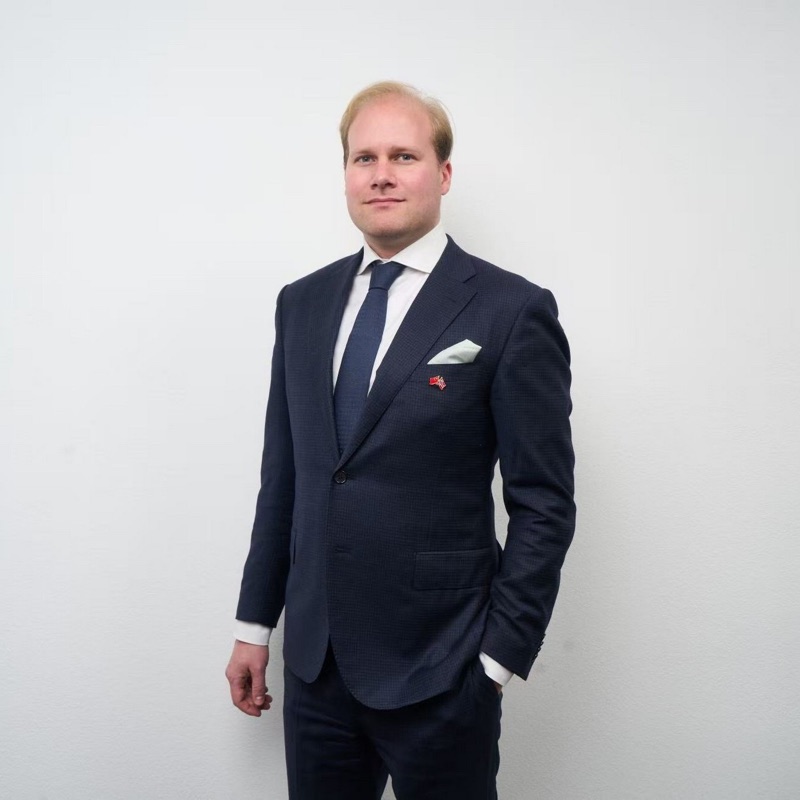
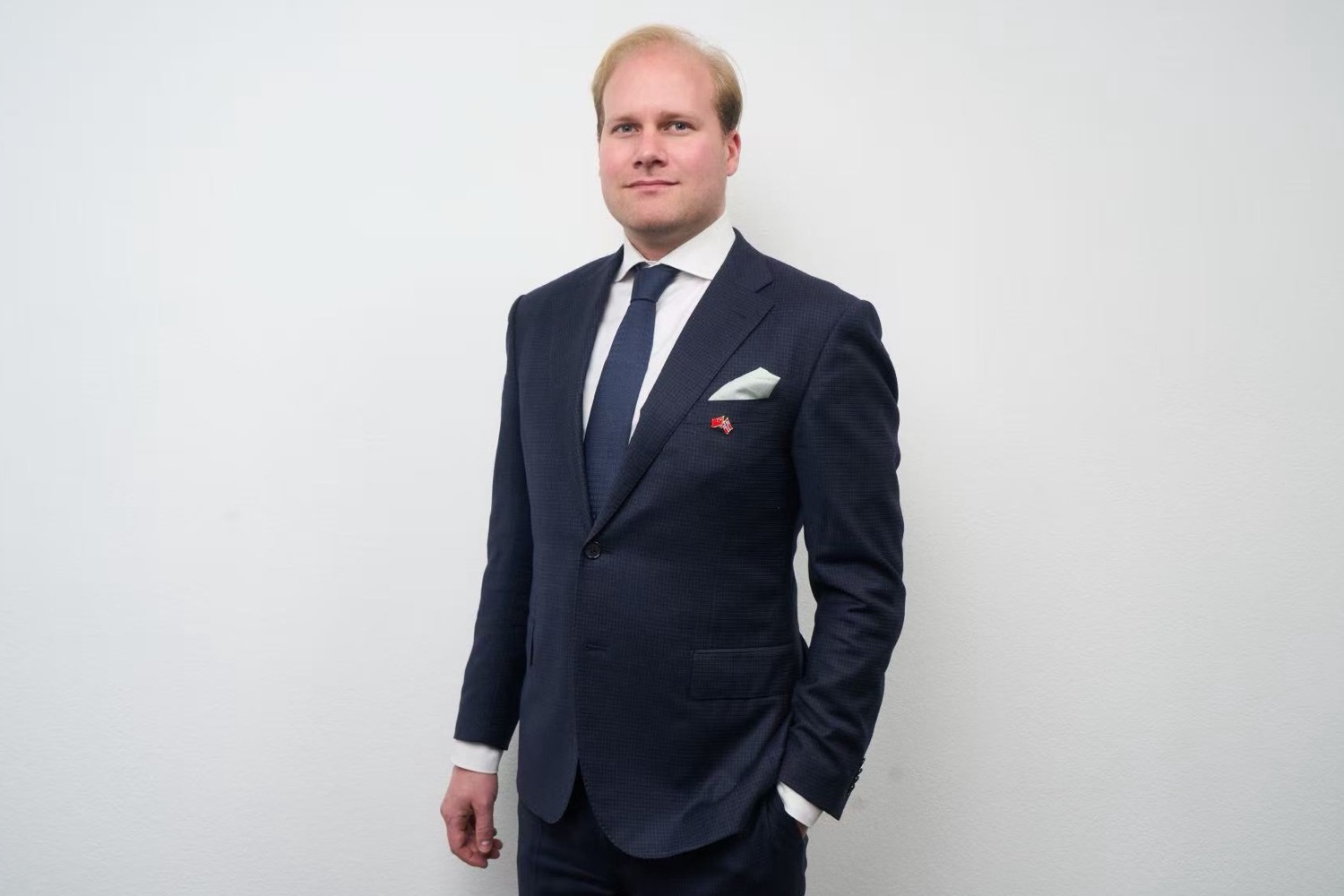
“Closva has built a platform that brings structure and efficiency.”
Ulrik Hoksnes KarlsenFounding Partner, Global Pivot EquityOn the partnership with Closva, September 2026